In partnership with Global Fund for Children and Unique Talent
Voices Beyond Labels
Beyond labels. Changing responses. Breaking cycles of harm.
Every young person deserves to be seen for who they are, beyond the labels placed on them. Voices Beyond Labels brings young people, parents and local organisations together to understand exploitation, challenge stigma and prevent further harm. The programme combines listening, learning and peer support with a campaign shaped by the people it represents.
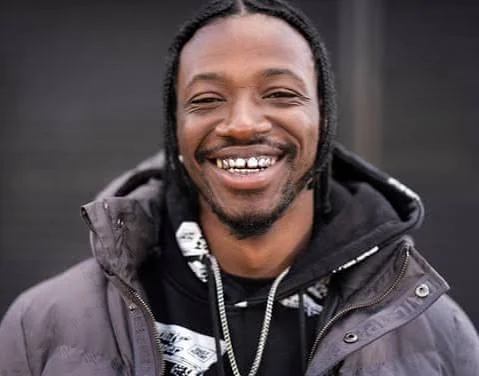
At 12, Esosa was groomed and exploited by a criminal network, but authorities saw a young offender. In this OSCE interview, he explains why recognising the child behind the offence matters.
The public campaign
What young people want others to understand
Young people choose the themes and review their contributions before publication. They can share their work under their name, remain anonymous or keep their involvement private.
“Listen before you label.”
Campaign message
“My story is mine to tell.”
Campaign message
“See my potential, not a case file.”
Campaign message
“I am more than what happened.”
Campaign message
Our experiences matter. Our responses can change. Together, we can break cycles of harm.
Our goal
See the person beyond the label.
When exploitation goes unrecognised, young people can be blamed for the harm done to them. We want to change that. By listening to young people and families, we help others recognise exploitation, question harmful assumptions and respond with care.
We work with young people aged 16 to 18 affected by, or at risk of, criminal exploitation and violence in the United Kingdom, the Netherlands and Austria. Parents have their own spaces for support, while trusted local organisations help make the programme accessible and safe.
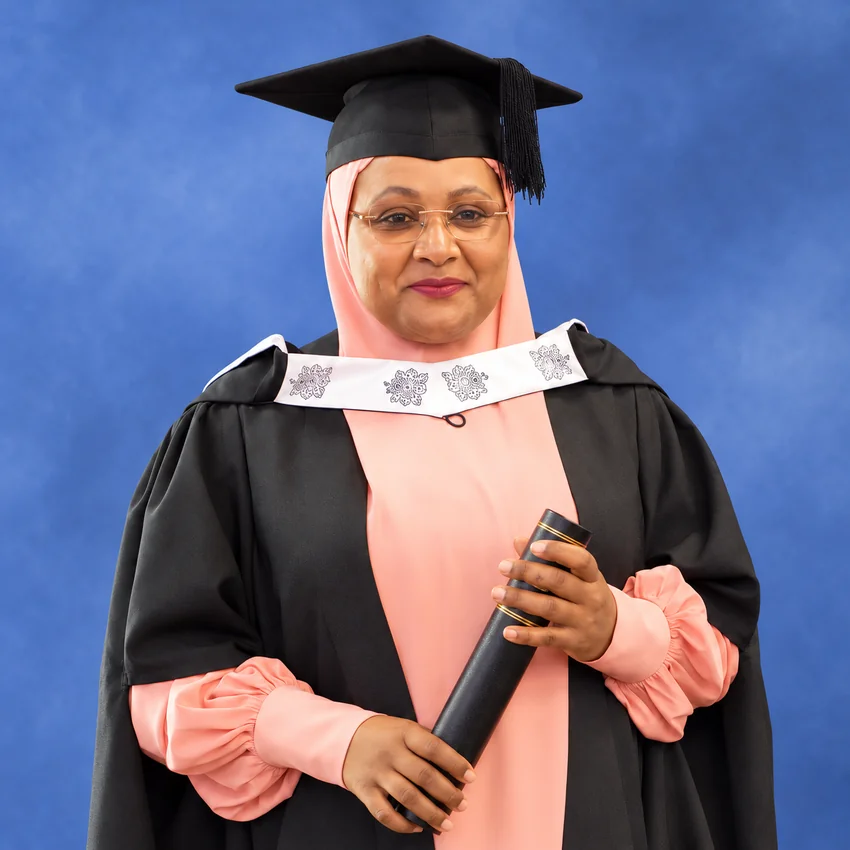
Malaika Oringo · What Voices Beyond Labels means
To me, Voices Beyond Labels means being seen and heard for the whole person we are. I want victims and survivors to know that their voices matter and that they have something to contribute, not only because of what they have experienced, but because of who they are and who they want to be.
What we want to change
Help overlooked experiences be heard
Young people know things about their lives that others often miss. Their perspectives help communities understand exploitation and what could prevent it. Sharing a personal story is always a choice.
Change attitudes and responses
We challenge the assumptions that leave young people blamed or dismissed. Families, peers and professionals learn to recognise exploitation and offer support without judgement.
Interrupt cycles of harm
Through learning and supported peer relationships, young people can recognise coercion, feel less alone and know where to turn. Parents and professionals also gain knowledge to help prevent further harm.
We will ask what changes for people: whether young people recognise harm and feel more connected, whether parents feel less alone, and whether professionals respond with greater understanding. Attendance and campaign reach alone cannot tell us whether harm has reduced.
The people behind the programme
Meet the Facilitators
Meet Esosa and Zainab, who bring lived experience and understanding to their work with young people and parents. Their sessions make room for honest conversation, learning and connection, at each person’s own pace.
Lead Facilitator · Youth Engagement
Esosa Henkoma
Esosa works alongside young people through mentoring and practical learning. Drawing on his own experience, he helps them recognise exploitation, build confidence and decide how they want their voices to be heard.
Zainab understands the worry and isolation families can face when a child is affected by exploitation. She brings parents together to share what matters to them and find understanding without blame. Her listening circles offer connection with other parents and practical information on exploitation, wellbeing and where to find support.
Who the programme is for
Different experiences. A place for each.
Each group takes part in its own way. Young people and parents meet in separate circles. Only learning that participants have agreed to share contributes to the public campaign.
Young people aged 16 to 18
Young people join through trusted local organisations. They take part in listening circles, the online Leadership Academy and supported peer mentorship. They can contribute podcasts, art, poetry, photographs or video, but nobody has to share a personal account of exploitation or appear in the campaign.
Many parents carry the worry and stigma alone, with law enforcement as their only contact with the issue. Separate listening circles offer connection with other parents and information on exploitation, wellbeing and formal support. Parents who feel ready can later train to help other families recognise warning signs.
Each partner identifies a facilitator from its own team. Footprint to Freedom provides training, coaching and supervision so the organisation can use the approach in its own work. Young people remain in the partner’s care. Partners hold local safeguarding responsibilities and signpost to formal support channels.
The public campaign grows from what young people and families tell us matters. Listening circles and learning sessions give them time to explore those priorities before deciding whether, and how, to share them more widely.
Listening circles and learning
Time to talk and learn
Trained facilitators lead youth and parent circles separately. Young people can also join the Leadership Academy and peer mentorship. Facilitators receive ongoing coaching and supervision.
Developing campaign contributions
A voice in the campaign
Young people choose themes and creative formats. Families contribute their own perspectives. Participants review the final material and give separate consent before anything is published.
The public campaign
Conversations that change responses
Stories, art, podcasts and conversations help others see beyond harmful labels. Participants review their contributions before publication. They can remain anonymous, and joining the programme never depends on appearing publicly.
How the campaign works
Listen
Separate youth and parent circles give participants space to speak about what matters to them, at their own pace.
Lead
Young people build skills through the Academy and peer mentorship. Parents who are ready can train as peer supporters.
Amplify
Participants decide whether to share podcasts, art, poetry, video or their own perspectives, anonymously or under their name.
Influence
Young people, parents and partners help develop recommendations grounded in their priorities and experiences.
Delivery in each country
United by purpose. Rooted in each country.
Local partners adapt language, examples and support routes while keeping the shared focus on preventing exploitation and breaking cycles of harm.
United Kingdom
The key facilitator delivers more directly in English. Local survivor and family support partners coordinate outreach and signposting, with language and access support as needed.
Netherlands
Partner organisations nominate facilitators for training and supervised practice. Once ready, they lead circles and support Academy learning in the languages participants need, including languages other than Dutch.
Austria
Partner organisations nominate local facilitators for training and supervised practice. Delivery is adapted to local circumstances, in German and other languages as needed, with clear information on formal support channels.
Safeguarding
Your story stays yours.
You do not have to recount exploitation or tell your story to take part. Public advocacy and creative contributions are optional, with separate consent and review before publication.
Youth and family circles stay separate. Joint conversations happen only where safe and wanted. A family’s participation does not create automatic access to a young person’s story or creative work.
Listening circles offer reflection and connection. They do not replace clinical care or emergency services. The programme does not take over cases or make referrals. Formal referrals remain with the appropriate services and safeguarding channels.
Support for partner organisations
Help your team carry the work forward
Your organisation can nominate someone from its own team to train as a facilitator. We provide training, supervised practice and ongoing coaching so they can lead sessions with confidence and continue using the approach in your work.
The Leadership Academy
The Academy holds facilitator training, session plans, the handbook and practical tools such as consent and feedback forms. It does not hold participant information.
The facilitator community on Jovo
Facilitators share practice, find resources and stay connected across the three countries. Trained facilitators moderate online circles when in-person meetings are not possible. Case details and identifying information stay out of the platform.
Clear local responsibilities
A written agreement identifies the country contact, safeguarding responsibilities, supervision, language support and data handling. Young people stay in their partner organisation’s care throughout.
Learning we can share
What we will leave behind
What we learn together will inform a policy brief and practical guides for parents and organisations. Young people, parents and partners will review the findings before publication. A launch webinar will share the resources with those who can put them to use.
A policy brief on victim support
Recommendations for the United Kingdom, the Netherlands and Austria, organised around prevention, protection, participation and partnership.
A practical guide for parents
Warning signs, responding without blame, looking after yourself and finding formal support, developed with parents who have lived through these experiences.
A guide for organisations
Practical guidance on listening circles, consent, signposting, working with parents and keeping young people safe.
Programme materials · October 2026
Find out more
Explore the current programme presentation for the full approach. The supporting documents below offer further detail for families and organisations interested in taking part. Earlier planning materials should be read alongside the current presentation.
Would your organisation like to join the collective? Are you a parent looking for connection, or a young person interested in taking part? Tell us a little about what you are looking for. You can also email info@footprinttofreedom.org directly.